Home › Gravel-to-Asphalt Conversions
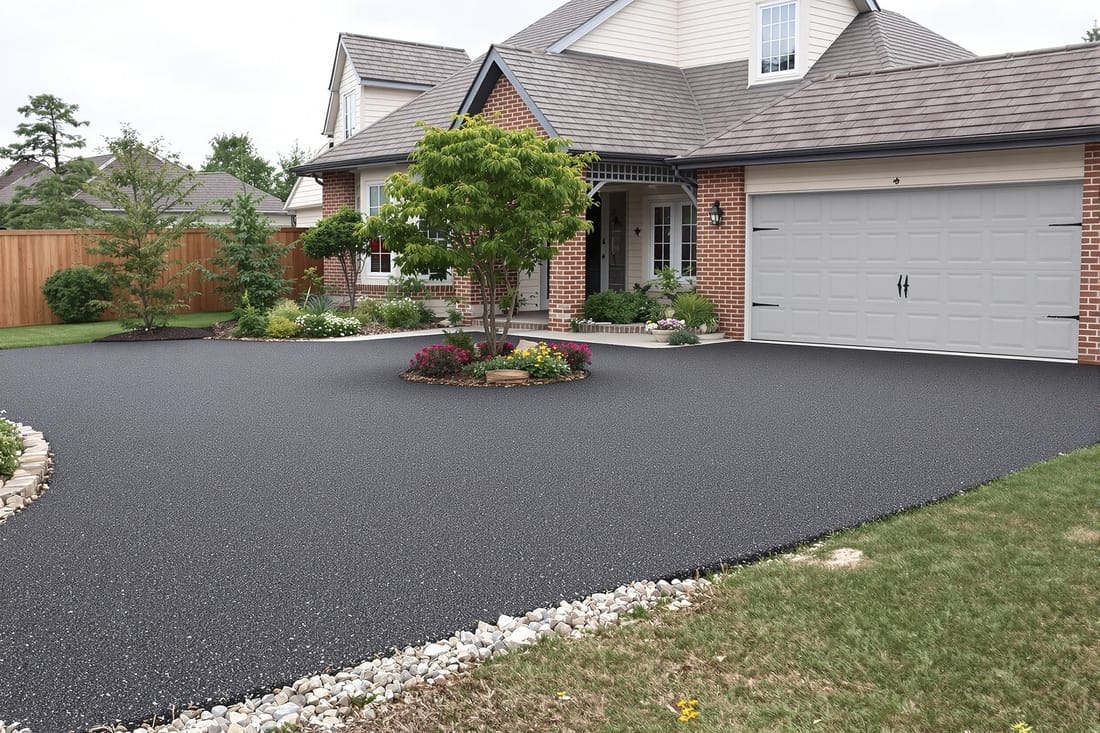
Tired of dust, mud, and ruts from your gravel drive Get a gravel to asphalt driveway conversion in Arlington, TX. We regrade, compact, and pave over existing gravel for a clean, solid surface. Our team evaluates drainage and base depth to ensure your new asphalt holds up to daily traffic. Enjoy a low maintenance driveway that looks great and drives even better.
Precision Asphalt Arlington provides professional gravel to asphalt driveway throughout Arlington, TX, Texas and the surrounding area. Our licensed, insured crew delivers safe, clean, on-time work with a free estimate before anything begins. Call (817) 646-5980 or request your free quote.
Turn Your Gravel Driveway Into a Clean, Solid Asphalt Surface
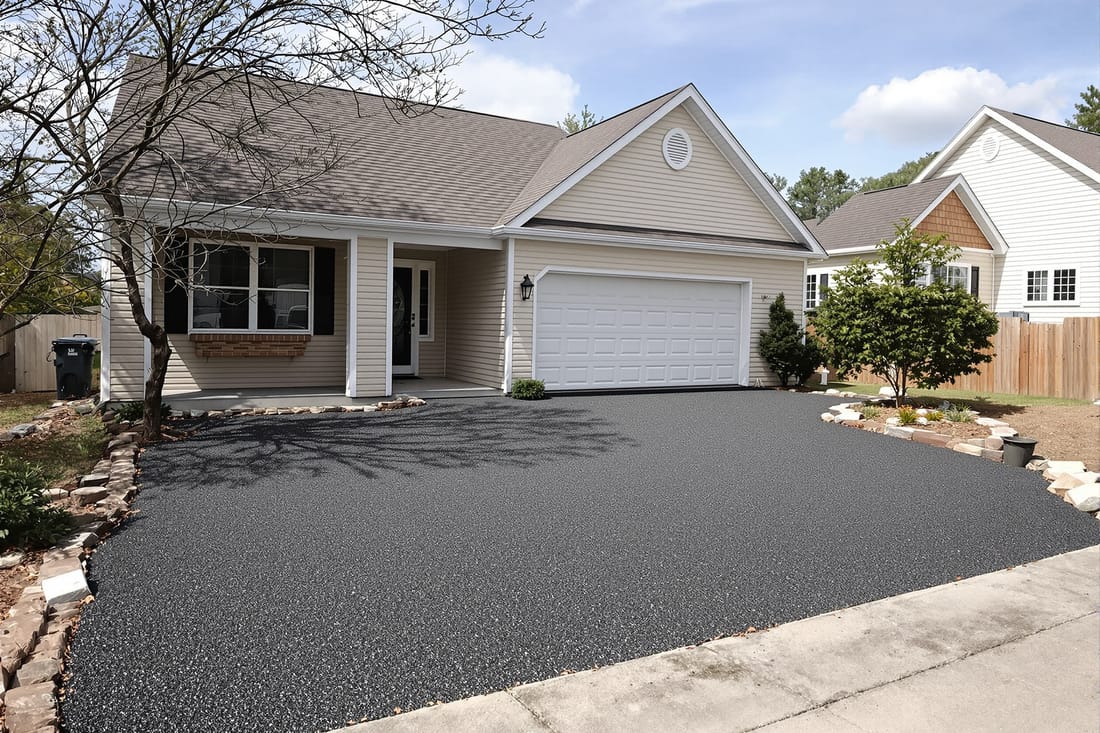
If you are tired of ruts, loose rock, and dust every time you pull into your driveway, converting gravel to asphalt is a practical upgrade for Arlington homes and small businesses. At Precision Asphalt Arlington, we specialize in taking existing gravel drives and turning them into smooth, durable asphalt that stands up to Texas heat and sudden storms.
A gravel to asphalt driveway is not just a layer of blacktop over your existing rock. To hold up under our North Texas sun and heavy rain, the base has to be rebuilt and compacted to handle weight and water. Done correctly, you end up with a surface that is easier to drive on, does not wash out in thunderstorms, and looks finished instead of temporary.
Compared to concrete, asphalt typically installs faster and can often be driven on within a couple of days, depending on weather. It is also more forgiving if you ever need to cut in utilities or adjust the layout later. Precision Asphalt Arlington focuses on driveways in and around Arlington, so we plan each project with local soil conditions, drainage patterns, and city right of way rules in mind.
How We Convert a Gravel Driveway to Asphalt in Arlington
Our crews follow a clear, step by step process so your gravel to asphalt driveway does not develop soft spots or early cracking.
1. Site visit and measurement. We walk the driveway with you, measure width and length, note any soft or low spots, and look at how water currently drains. In Arlington we often see driveways that slope toward the garage or a side yard, so we plan corrections before any paving starts.
2. Grade and shape the existing gravel. We use a grader or skid steer to cut high spots and fill low spots, then establish a proper crown or cross slope so water sheds off the surface instead of sitting in the center. If the existing gravel is too thin or mixed with a lot of clay, we will plan for additional base material.
3. Strengthen the base. For most residential driveways in Arlington, we target a compacted base thickness in the 4 to 6 inch range, using crushed limestone or recycled concrete aggregate. This is placed in layers and compacted with a vibratory roller. On steeper or heavily loaded areas, we may add geotextile fabric under the base to keep our rock from pumping into softer clay soils.
4. Address drainage and edges. Before any asphalt is placed, we cut shallow swales, add small culverts if needed, and confirm that stormwater has a clear path away from your house and neighbor properties. We also discuss edge treatment: leaving a natural taper, cutting a clean vertical edge, or installing concrete ribbon curbs where you want a more finished border.
5. Lay the asphalt. We typically install a 2 to 3 inch compacted asphalt surface course for passenger vehicles, thicker for RVs or commercial traffic. The mix design is chosen based on expected use and local supply. Our paving machines place the mix in a consistent mat, then steel drum rollers compact it to lock the aggregate and asphalt binder together.
6. Final compaction and clean up. We run smaller rollers or compactors along edges and in tight areas, check for smooth transitions at the street, garage, and walkways, and then clean up loose rock or debris so your property is ready to use once the asphalt has cooled and cured enough for traffic.
Design Choices and Cost Factors for Gravel-to-Asphalt Conversions
Two gravel driveways of the same size can cost very different amounts to pave in asphalt. Precision Asphalt Arlington will walk you through the factors that really move the price so you can decide where to invest and where to keep things simple.
Driveway size and layout is the most obvious driver. Straight, rectangular drives are faster to pave and use less hand work. Curved drives, turnarounds, and parking pads add labor and require more precise grading. When we map your project, we can often suggest small changes that improve function without a big cost bump.
Base condition is usually the biggest hidden cost. If your gravel is deep, well compacted, and relatively clean, we can use more of it as part of the new base. If it is thin, mixed with clay, or full of organics, we may have to strip and replace portions. In some older Arlington neighborhoods with softer subgrade, we may recommend stabilizing the base with additional rock or a stabilization treatment so you are not paying for asphalt over a weak foundation.
Asphalt thickness and mix type matter for longevity. Light residential traffic usually does well with a compacted 2 inch surface course. If you routinely park work trucks, trailers, or RVs, we might propose 3 inches or a multi lift system. For most gravel to asphalt driveway conversions in Arlington, a hot mix asphalt with medium aggregate works well because it handles temperature swings and has good traction when wet.
Design options also affect price. Choosing a wider apron near the garage, a defined parking area, or concrete borders around the asphalt will add to the project but often increases usability and curb appeal. We can phase those improvements, starting with a straightforward conversion now and adding extras later as budget allows.
Access and tie ins play a role too. Connections to the city street, alley, or shared easements sometimes require matching existing elevations or complying with city standards. We coordinate those details up front so there are no surprises once equipment is on site.
Dealing With Common Problems: Ruts, Drainage, and Texas Weather
Gravel to asphalt driveway projects in Arlington come with some predictable challenges, and how they are handled is what separates a long lasting driveway from one that fails early.
Ruts and soft spots usually trace back to weak subgrade. Instead of just filling them and paving over, Precision Asphalt Arlington digs into those locations, removes saturated or pumping soil, and rebuilds the base with compacted aggregate. On driveways that cross old utility trenches or backfilled areas, we pay special attention to compaction so those lines do not telegraph through the new asphalt later.
Drainage is especially critical here in Tarrant County, where a dry spell can be followed by a sudden heavy storm. Asphalt itself is waterproof, so all the water has to move across and off the surface. We set slopes with lasers, not guesswork, and we may propose adding a small valley gutter, channel, or driveway culvert if water currently sheets across your driveway and onto the street or into the garage. A small grading change before paving is far cheaper than chasing standing water after the fact.
Heat and seasonal movement are another factor in Arlington. In long stretches of direct sun, asphalt can soften slightly during peak summer temperatures, especially if it is very thin. We counter that by matching mix design and thickness to exposure and traffic, and by compacting to proper density so the surface holds its shape. In cooler months, we watch overnight lows, since asphalt should not be placed if it cannot be compacted before it cools. This sometimes means limiting late day paving when a cold front is pushing through.
We are also honest about what asphalt can and cannot do. For example, if a gravel driveway repeatedly floods during major storms because it sits in a natural low spot, asphalt alone will not fix that. We will talk through realistic grading or drainage improvements so you understand the options before spending money on paving.
What Arlington Homeowners Should Know Before Scheduling
Timing, preparation, and expectations all affect how smoothly your gravel to asphalt driveway conversion goes.
In Arlington, the most dependable paving windows are typically from late spring through early fall, when we have warmer daytime temperatures and fewer prolonged rain events. We can pave outside that window, but we will schedule around cold snaps and wet forecasts because asphalt needs a dry, relatively warm base to bond and compact correctly.
Before the crew arrives, we ask that you remove vehicles, trailers, and portable items from the driveway and nearby workspace. If you have sprinkler heads, shallow landscape lighting, or invisible dog fences along the edge of the gravel, point them out so we can protect or adjust them. If tree roots have pushed up near the drive, we will discuss whether minor root trimming or layout adjustments are needed.
Installation time for an average single family gravel to asphalt driveway is usually one to two working days, depending on base work needed. You can often walk on the surface the same day, but we typically recommend keeping vehicles off for 24 to 48 hours so the asphalt can cool and start its initial cure. Heavy vehicles may need a bit longer, and we will give you specific guidance at completion.
After your new asphalt is in place, routine care makes a big difference. Keep sharp objects and kickstands from digging in while the surface is fresh, avoid turning the steering wheel while the car is not moving, and keep fuel or oil spills cleaned up quickly. We generally recommend a first sealcoat after the pavement has gone through at least one summer and one winter, so the asphalt has time to cure. When that time comes, Precision Asphalt Arlington can evaluate and recommend the right maintenance plan for your specific driveway and traffic pattern.
If you are considering the move from gravel to asphalt, start with a site visit. We will walk the drive with you, explain what we see in plain terms, and put together a written plan and price so you can make a clear decision without surprises.