Home › Commercial Gravel-to-Asphalt Conversions
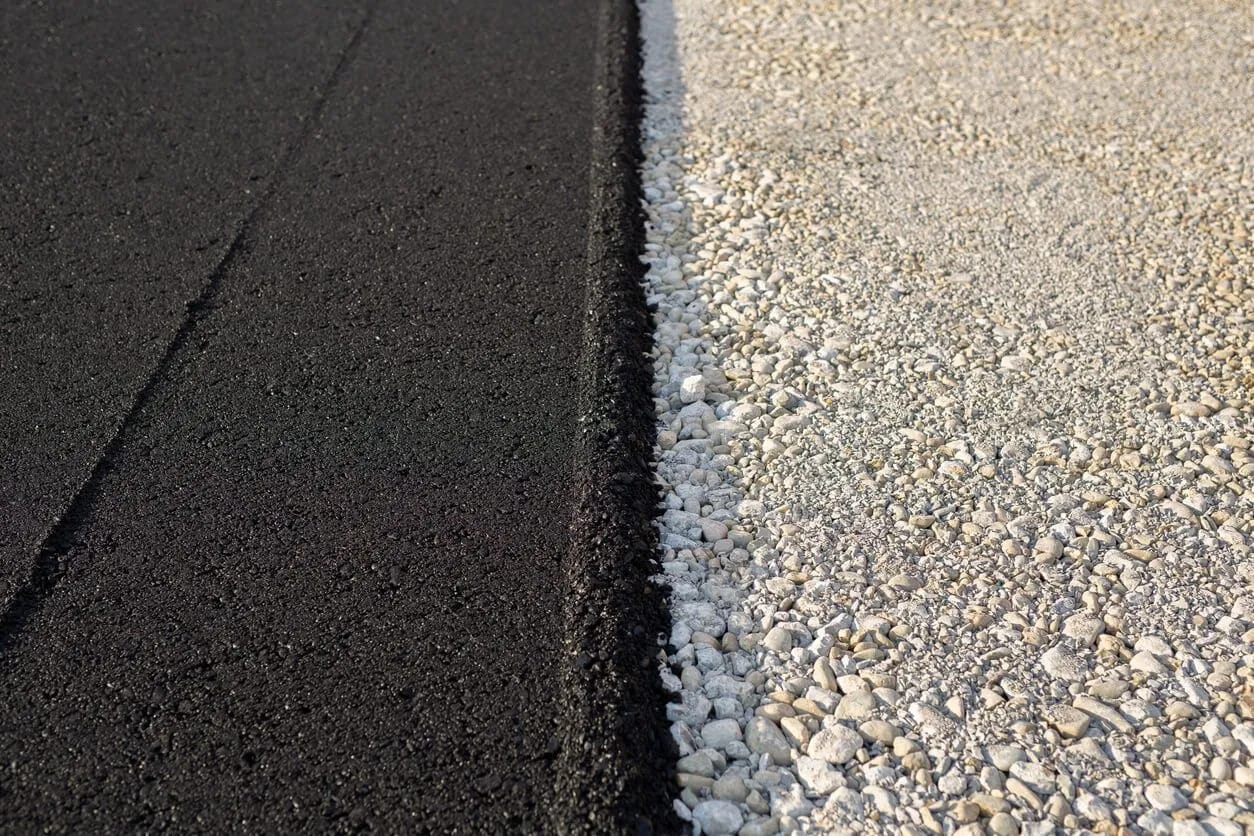
Stop fighting dust and mud with commercial gravel to asphalt conversions in Arlington, TX. We transform gravel parking lots, drive lanes, and storage yards into smooth, durable asphalt surfaces. Our team grades and compacts existing stone to build a strong base before paving. Improve appearance, accessibility, and maintenance costs with a clean blacktop surface.
Precision Asphalt Arlington provides professional commercial gravel to asphalt throughout Arlington, TX, Texas and the surrounding area. Our licensed, insured crew delivers safe, clean, on-time work with a free estimate before anything begins. Call (817) 646-5980 or request your free quote.
Commercial Gravel-to-Asphalt Conversions in Arlington, TX
If your commercial property still has a gravel parking lot or drive, you already know the headaches: dust, mud, potholes, and constant grading. Precision Asphalt Arlington specializes in commercial gravel to asphalt conversions that turn those rough surfaces into clean, professional, low-maintenance pavement that fits how Arlington businesses actually operate.
Our crews work throughout Arlington, from older industrial areas near 360 to newer retail centers and churches along I-20 and Sublett. We understand the traffic patterns, soils, and weather here, and we design each conversion so it holds up to Texas heat, sudden storms, and heavy vehicle loads. Whether you manage an office building, retail center, warehouse, or church campus, we tailor the project to your specific site and budget instead of forcing a template solution.
A gravel to asphalt conversion is more than just spreading hot mix over rock. Done right, it is a full rebuild of the driving surface that corrects drainage issues and stabilizes the base so your asphalt will last. Done wrong, it can start cracking or rutting within a year. On this page, we explain exactly how we handle conversions in Arlington, what affects cost and schedule, and what you should pay attention to before you hire any contractor.
Site Evaluation, Drainage, and Planning
Every commercial gravel to asphalt project with Precision Asphalt Arlington starts with a detailed site visit. We walk the entire lot with you, note how vehicles enter and exit, where water ponds after rain, and where trucks or delivery vehicles turn the tightest. In many Arlington properties, especially older ones, the gravel pad was never engineered, so we cannot skip this step.
We check the existing gravel depth, the condition of the underlying soil, and any evidence of movement or soft spots. In Arlington, clay soils are common. They swell when wet and shrink in summer drought. If we notice pumping (wet, spongy gravel under pressure), we plan extra stabilization in those zones rather than simply paving over them.
Good drainage is critical for long-term performance. We review the slope of your lot and how stormwater flows toward the street, inlets, or detention areas. If water is currently cutting ruts in your gravel or sitting by entrances, we design corrections as part of the conversion. This may mean regrading, adding valley gutters, or adjusting the cross-slope of parking bays so water moves off the surface instead of into your building or toward neighboring properties.
Once we understand the site, we discuss how your business operates. We ask about peak traffic times, truck routes, loading dock schedules, and special needs like ADA access or reserved customer parking. This information shapes our phasing plan so you stay open and accessible while we convert the gravel to asphalt in sections rather than shutting everything down at once.
Base Stabilization and Preparing Your Gravel Lot for Asphalt
The most important part of a commercial gravel to asphalt conversion is what happens under the blacktop. At Precision Asphalt Arlington, we spend as much effort on the base as we do on the asphalt surface because in North Texas heat and rainfall, a weak base fails fast.
We begin by shaping and compacting the existing gravel. If there is not enough material to build a proper base, or if the gravel is contaminated with clay or organics, we haul in additional crushed limestone or recycled concrete aggregate. We typically aim for 6 to 8 inches of compacted base for car and light truck lots and thicker sections for heavy trucks or equipment yards.
On sites with soft clay or where big ruts form after storms, we may recommend cement or lime stabilization. This process blends a small percentage of cement or lime into the upper few inches of soil and gravel, then we mix and compact it into a solid foundation. In high traffic industrial zones around Arlington where semi trucks turn daily, stabilization greatly increases the life of the asphalt.
We use vibratory rollers to compact the base in multiple passes. Our crews check density and look for movement under load. Any weak spots are cut out and rebuilt before paving starts. Skipping these repairs may save money upfront but they show up later as localized potholes or sunken spots that collect water.
Asphalt Mix Options, Thickness, and Design for Commercial Use
Once the base is ready, we place asphalt designed for commercial traffic and Arlington weather. Precision Asphalt Arlington works with local suppliers to choose mixes that handle high surface temperatures, heavy vehicles, and sudden downpours without shoving or raveling.
For most commercial gravel to asphalt conversions, we recommend a two-course system: a stronger base course for structure and a smoother surface course for appearance and ride quality. A typical light commercial lot might receive 2 inches of asphalt surface over 2 inches of asphalt base, while truck yards or drive lanes used by garbage trucks and deliveries may need additional thickness.
We adjust the asphalt design based on how your property is used. Parking stalls that only see cars can be slightly thinner, while drive lanes, entrance aprons, and loading zones are built heavier. This targeted design can save cost without sacrificing performance where the pavement works the hardest.
During paving, we control joint locations and compaction to reduce the chances of early cracking. Our crew sets consistent slopes so water moves to inlets, not toward your building. If your gravel lot currently has informal parking patterns, we can help redesign stall layouts, traffic aisles, and handicapped spaces before we stripe the new asphalt to improve flow and meet local codes.
How Arlington Weather and Seasons Affect Scheduling and Performance
North Texas weather matters when planning a commercial gravel to asphalt conversion. In Arlington, we deal with very hot summers, mild but wet winters, and short windows of intense rain. Precision Asphalt Arlington schedules conversions to give your new asphalt the best chance of long-term success and to minimize disruption.
We prefer to pave when daytime temperatures are warm enough for proper compaction but not so extreme that the surface scuffs easily under heavy turning traffic. Late spring and early fall are ideal, although with planning we can complete projects in summer mornings or mild winter days. During long dry spells, we sometimes lightly moisten very dusty gravel before compaction so the base knits together better.
Rain is a major factor. We will not pave over a soaked base, because trapped moisture can cause stripping and early failure. If a storm is forecast, we may adjust the schedule or divide the job into smaller phases so each section is fully compacted and sealed before rain hits. We keep you informed so you can plan around any weather-driven changes.
The local climate also influences the need for sealcoating and crack sealing after your conversion. Dark asphalt heats up in the Arlington sun. Hairline cracks can widen over years of expansion and contraction. We typically recommend a first sealcoat within 1 to 3 years depending on traffic, then a regular maintenance cycle that fits your budget and operations.
Cost Drivers, Budget Options, and Phased Conversions
The cost of converting a commercial gravel lot to asphalt in Arlington varies, and we want you to understand exactly what drives the price. Precision Asphalt Arlington provides line-item proposals, not lump-sum numbers with no explanation.
Key cost factors include the size of the area, the thickness of base and asphalt required for your traffic, the amount of regrading needed to fix drainage, and whether soil stabilization is necessary. Access for trucks and equipment also matters. Wide open lots are more efficient to pave than tight, segmented areas around existing structures.
To help manage budgets, we can often phase larger conversions. For example, we might complete main drive aisles and ADA parking first, then schedule remote parking rows or trailer areas later in the year or the next fiscal cycle. On some sites we stabilize and pave only the worst performing sections initially while planning a complete conversion when funds allow.
We discuss options like using recycled base materials, varying asphalt thickness in low-traffic areas, or adjusting striping layouts to reduce unnecessary paved square footage. The goal is not simply the lowest price per square foot, but the best value for how your property actually functions and how long you need the pavement to last.
What to Expect During Construction and After the Conversion
Smooth communication is essential when working on an active commercial property. Before Precision Asphalt Arlington begins your commercial gravel to asphalt project, we create a clear schedule and phasing map. This shows which entrances will remain open, where temporary parking will be located, and when specific areas will be unavailable.
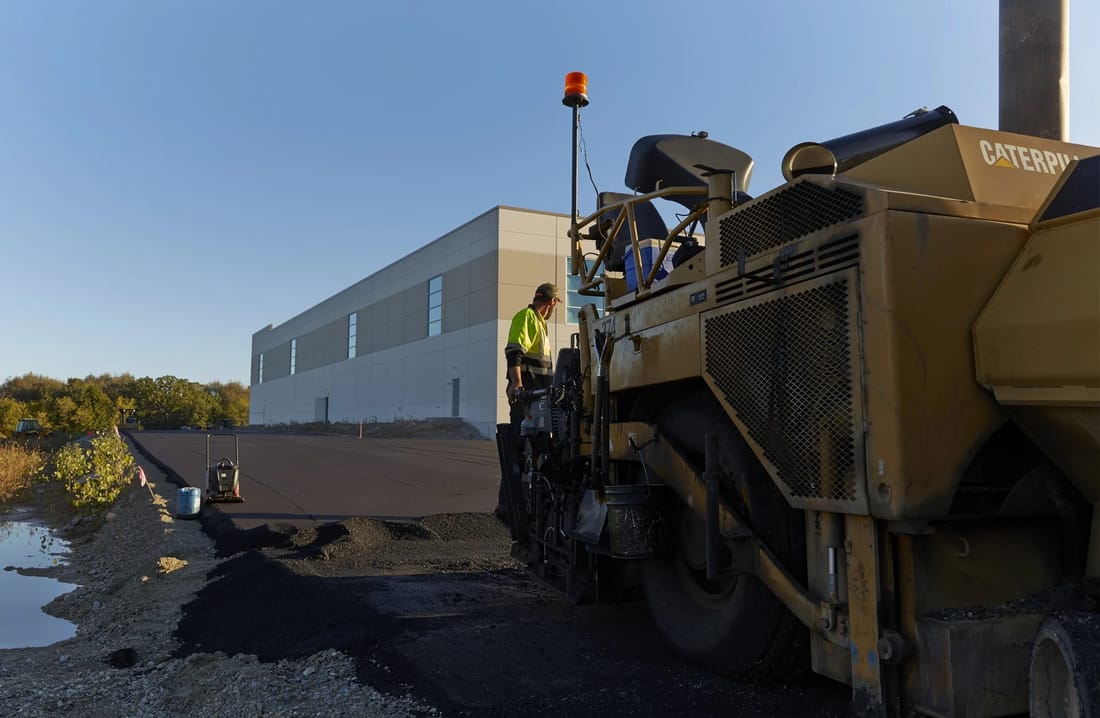
During construction, you can expect equipment such as graders, compactors, and asphalt pavers on site, along with dump trucks hauling in base and hot mix. We coordinate deliveries to avoid your peak customer times whenever possible, and we place signage and cones so employees and visitors know where to go.
After paving, we typically recommend keeping heavy traffic off the fresh asphalt for at least 24 hours, longer for very tight turning movements or in extremely hot weather. We then complete striping, ADA markings, wheel stops, and any signage you have requested so the new lot is functional and compliant.
Once the conversion is complete, we walk the site with you, answer questions about load limits, cleaning, and maintenance, and point out where you might see the first signs of wear over time. We can also set up a maintenance plan so small cracks and localized issues are addressed early, which preserves your investment and the clean look of a newly paved commercial property in Arlington.