Home › Asphalt Milling and Reclamation
Prepare your pavement for a fresh start with asphalt milling in Arlington, TX. We remove existing asphalt to a precise depth, correct profiles, and recycle material when possible. Our reclamation services blend old asphalt with base to create a stable foundation for new pavement. Improve ride quality and drainage while saving on haul off and stone costs.
Precision Asphalt Arlington provides professional asphalt milling throughout Arlington, TX, Texas and the surrounding area. Our licensed, insured crew delivers safe, clean, on-time work with a free estimate before anything begins. Call (817) 646-5980 or request your free quote.
Asphalt Milling and Reclamation in Arlington, TX
North Texas pavement takes a beating from heat, sun, and sudden storms, and over time even a well-built asphalt surface will rut, crack, and drain poorly. Asphalt milling and reclamation let you reset the surface and structure of your pavement without paying for a full tear out and replacement. At Precision Asphalt Arlington, we focus on these processes because they often deliver the best balance of cost, durability, and speed for our local climate.
Asphalt milling uses a machine called a cold planer to grind and remove a controlled thickness of your existing asphalt. Reclamation goes deeper, blending the remaining asphalt with base materials to create a new stabilized foundation. Both options reuse existing materials on site, which reduces trucking, helps control costs, and keeps your project moving quickly.
For homeowners, property managers, and facility owners in Arlington, milling and reclamation are especially useful on parking lots, neighborhood streets, and long driveways that show widespread surface failures but still have a reasonably sound base. Instead of patching the same spots every year, you can correct underlying issues and place a new, smooth asphalt surface that performs better and looks clean and professional.
How Asphalt Milling Works, Step by Step
A quality milling job starts long before the machine touches your pavement. Our team at Precision Asphalt Arlington begins with a walkthrough to document rutting, ponding water, cracking patterns, and any soft spots under traffic lanes or turning areas. We shoot elevations or use a laser level to understand slopes, then decide how much material to remove in each section so that your new surface drains correctly.
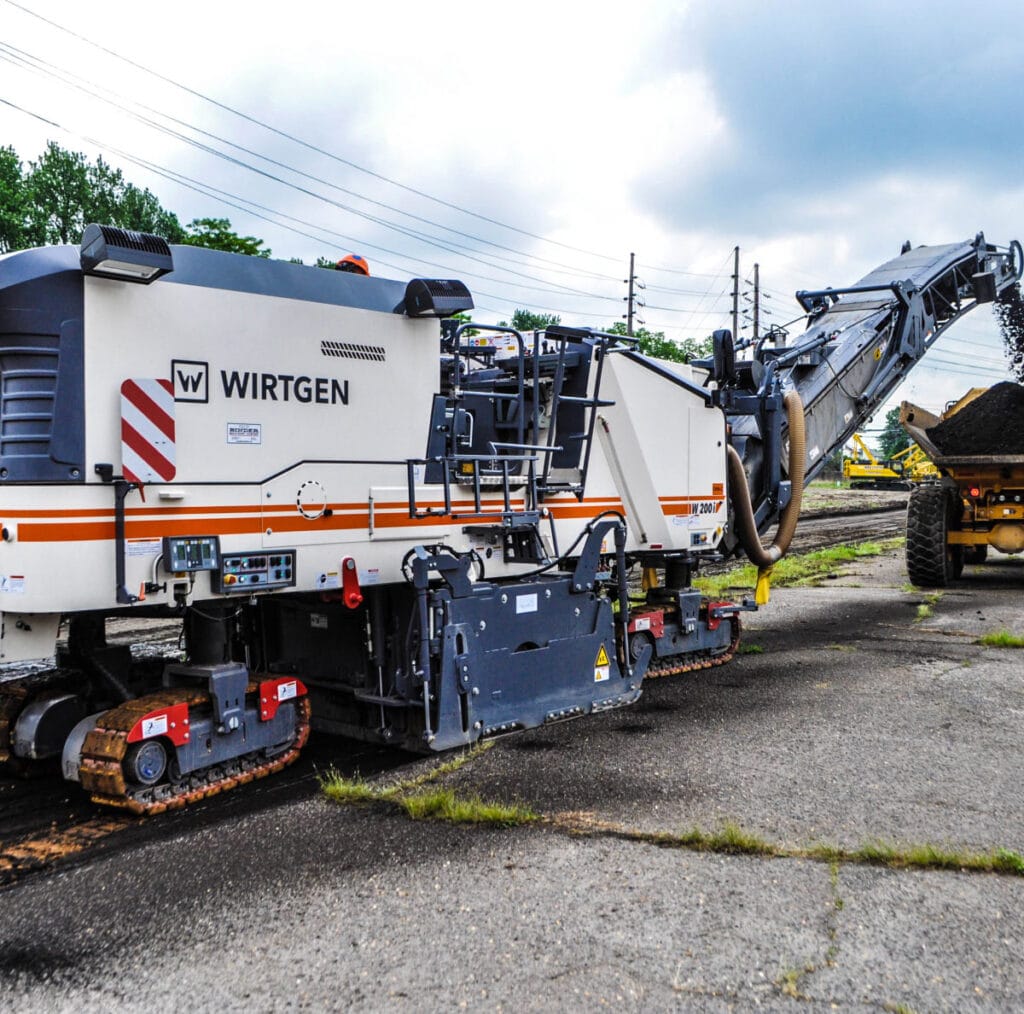
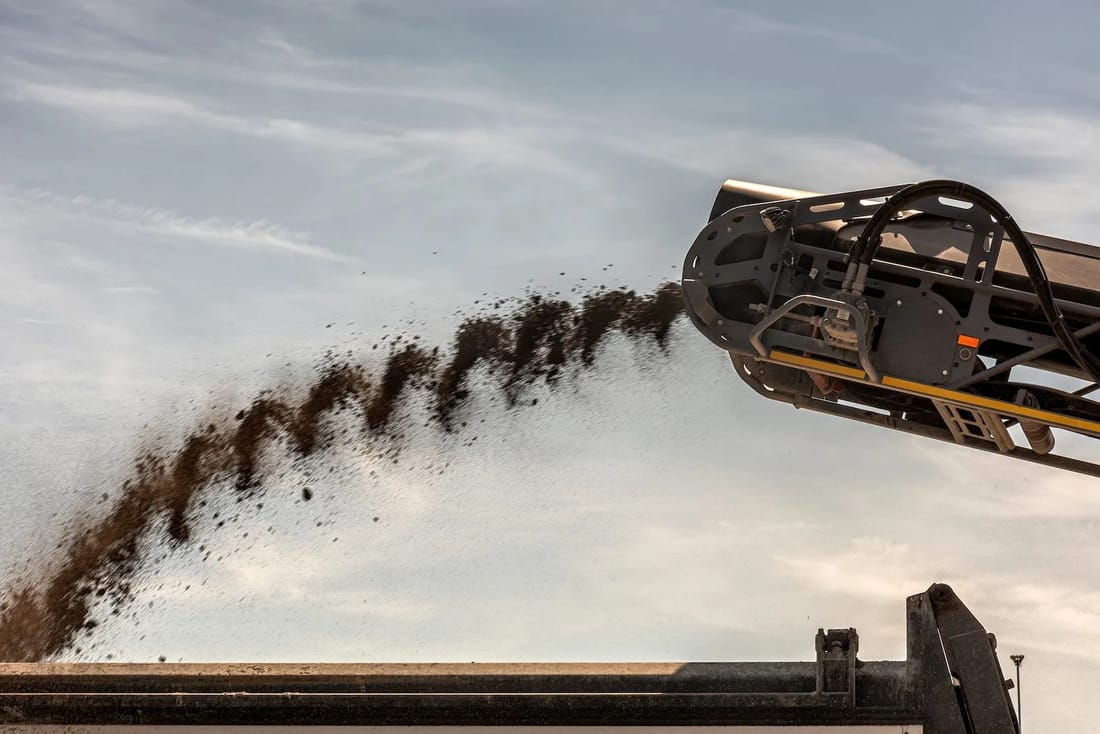
On milling day, we bring in a cold planer equipped with a drum covered in cutting teeth. These teeth grind the asphalt into small, reusable millings while a conveyor loads the material into trucks or into a stockpile on site. We can mill anywhere from 1/2 inch to several inches, and for heavily rutted sections we may vary the depth “on the fly” so the finished base is even. Around manholes, utility boxes, and concrete gutters, our crew carefully mills to a precise depth so that the final asphalt layer will match these fixed edges without creating trip hazards.
After the milling pass, we broom and vacuum the surface to remove loose material, then inspect the exposed layer. Any soft or pumping areas that appear are marked and cut out so they do not become hidden problems under your new overlay. If elevations need fine tuning for drainage, we can perform another light milling pass to create the right profile. Finally, we tack coat the milled surface so the new asphalt bonds tightly, which prevents future slippage or delamination.
Asphalt Reclamation and Full-Depth Repair
When asphalt surfaces in Arlington show alligator cracking, deep potholes, and widespread base failures, spot patches and thin overlays usually do not last. Asphalt reclamation, often called full-depth reclamation or FDR, can rebuild your pavement structure using much of what is already in place. This option is common for older commercial lots, private drives serving multiple homes, and low volume roads that were never built to today’s standards.
In a reclamation project, we typically pulverize the existing asphalt and a portion of the underlying base to a depth of 6 to 12 inches, depending on traffic loads and soil conditions. We use a specialized reclaimer or a combination of milling equipment and stabilizers to mix the asphalt, base rock, and sometimes additives such as cement or engineered emulsions. The goal is to create a uniform, stable layer that acts like a new base course.
Once blended, the reclaimed layer is graded to restore proper crown and cross slope, then compacted in multiple passes with heavy rollers. This step is critical, especially in the clay-heavy soils around Arlington that shrink and swell with moisture. Proper compaction and moisture control help reduce future movement. After the reclaimed base cures as specified, we install one or more lifts of hot mix asphalt on top, giving you the look and ride of new pavement with the strength of a rebuilt foundation. Reclamation can correct deep problems while using fewer truckloads of imported rock and haul-off, which often makes it more economical than full reconstruction.
Local Arlington Conditions That Affect Milling and Reclamation
Successful asphalt milling and reclamation depend on understanding local soils, drainage patterns, and traffic demands. In Arlington, subgrades often include expansive clay that reacts strongly to moisture. This is why you may see pavements that look fine in summer but develop new cracks after a wet winter. Precision Asphalt Arlington accounts for this by checking how the subgrade behaves during our evaluation and, if needed, adjusting the depth of reclamation or the type of base stabilization.
Our area also experiences large temperature swings and intense sun, which can oxidize asphalt and make the upper layers brittle while deeper layers remain sound. In those cases, milling off the oxidized surface and placing a fresh wearing course is more cost effective than rebuilding the entire pavement. For lots that see heavy truck traffic, such as delivery areas off I-20 or service drives near industrial parks, we may recommend deeper milling in rutted wheel paths or reclaiming to a greater depth to resist channelized loads.
Drainage is another Arlington specific concern. Flat lots near low-lying areas or near creeks often develop birdbaths that hold water after storms. Milling allows us to reshape the surface profile without disturbing intact base material, which is quicker than full reconstruction. When drainage failures are tied to poor base grades, reclamation gives us a chance to regrade from the base up so that future overlays perform better and last longer.
What Affects Cost and How We Keep Projects Predictable
The cost of asphalt milling and reclamation is driven by several technical factors, not just square footage. Milling depth, the hardness and thickness of existing asphalt, access for equipment and trucks, and the need for localized base repairs all play a role. For example, a shopping center with easy truck access and a relatively uniform pavement section will be less per square foot than a tight multifamily lot with many islands, drains, and transitions that require more handwork and fine milling.
Reclamation adds variables such as total depth of treatment, whether we are stabilizing with cement or other additives, and how much new aggregate or asphalt is needed on top of the reclaimed base. Clayey or saturated subgrades may require additional passes for compaction or short pauses to allow moisture to come into range. These are normal engineering concerns, not reasons to avoid the process, but they must be planned for.
At Precision Asphalt Arlington, we aim to minimize surprises by core sampling or test pits when conditions are uncertain, then sharing those findings with you in plain language. We itemize options, such as milling plus overlay versus full-depth reclamation, and explain the expected service life and maintenance needs of each. This way, you can choose a solution that matches your budget and your long term plans for the property. We also coordinate phasing to keep access open whenever possible, which is especially important for active businesses, churches, and HOAs in Arlington.
What Arlington Property Owners Should Ask Before Hiring
Before you hire any contractor for asphalt milling or reclamation, there are a few key questions that protect your investment. Ask how they determine milling depth and how they will adjust slopes to improve drainage, not just “grind and pave.” Request details on how they will handle milled material, whether it will be reused on your site, hauled away, or credited back in your pricing. You should also know what they will do if soft spots or unsuitable base appear after milling or during reclamation, because these issues often surface only after the top layers are removed.
It is also wise to confirm how traffic control and phasing will work. For example, can your business remain open while one half of the lot is milled and paved, then switch sides the next day. This planning is essential on busy Arlington corridors and in neighborhoods with limited parking. Finally, ask about mix designs and compaction targets for the new asphalt lifts so you are confident you are getting a true structural overlay and not just a thin cosmetic layer.
Precision Asphalt Arlington welcomes these conversations. Our team will walk the site with you, point out specific problem areas, and explain whether milling, reclamation, or a combination of both is appropriate. We provide written scopes that include thicknesses, materials, and curing or traffic reopening times, so you know exactly what to expect from the day we mobilize until the last barrel is removed and your pavement is fully back in service.